
Power change after 3 years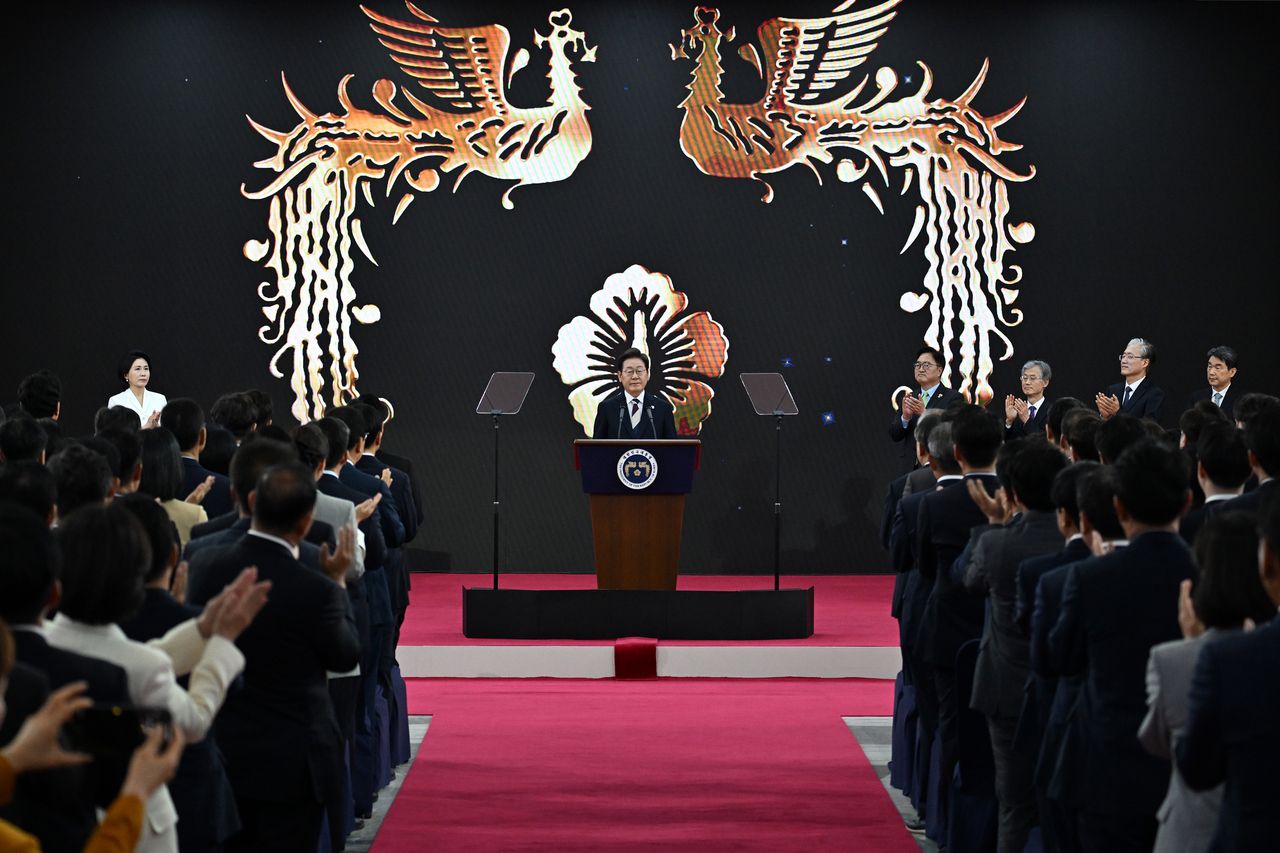 President Lee Jae Myung came into office in June, filling the void left by former President Yoon Suk Yeol.
The transition reshaped the political landscape. The conservative People Power Party saw its public support erode, while the Democratic Party of Korea moved swiftly to press its legislative agenda, spanning judicial and prosecution reforms as well as changes to the government’s structure.
In governing style, Lee has sought to underscore a break from his predecessor by prioritizing visibility and procedural legitimacy. Cabinet meetings and ministry briefings have been aired live, alongside public town hall-style sessions, during his first six months in office.
Among the most symbolic moves, Lee returned the presidential office to Cheong Wa Dae, which had served as the presidential workplace for 74 years until Yoon moved it to the Yongsan complex in May 2022.
Lee has also moved to project political inclusiveness, appointing Kwon Oh-eul as veterans affairs minister and nominating Lee Hye-hoon to senior posts — both former three-term conservative lawmakers.
A year of special counsels and clashes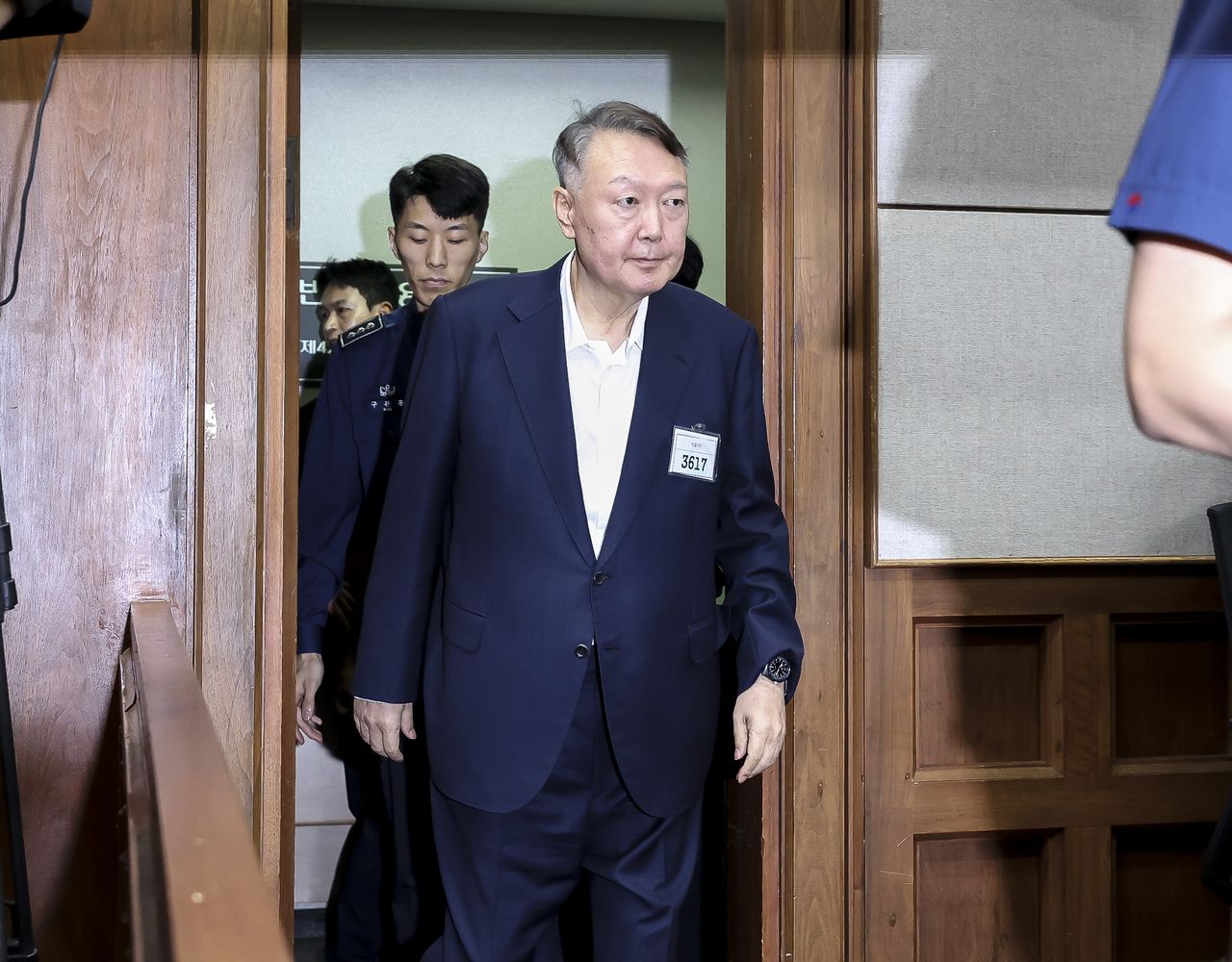 On Jan. 15, former President Yoon Suk Yeol became the first sitting president in Korean history to be taken into custody by investigative authorities over his declaration of martial law on Dec. 3, 2024. And on April 4, he was removed from office following a unanimous ruling by the Constitutional Court.
However, the turmoil continued with three simultaneous special counsel investigations and an intensifying political divide.
The special counsel investigations — one involving former first lady Kim Keon Hee, another into alleged insurrection by Yoon, and a third into the death of a marine — have been concluded, but little has been laid to rest.
The investigations unearthed allegations of bribery involving the Unification Church and high-profile figures on both sides of the aisle, prompting bills for another special counsel investigation.
The ruling Democratic Party of Korea is pushing for yet another special counsel investigation that would cover allegations handled by the three previous investigations.
The martial law declaration also set off fierce clashes in the National Assembly over proposals to establish special tribunals to handle Yoon’s trials on charges relating to his alleged insurrection.
Disbandment of Prosecutors’ Office under judicial overhaul Established in 1948, Korea’s Prosecutors’ Office will be abolished after 78 years, marking the most sweeping overhaul of the country’s law enforcement structure since its founding.
The change follows the passage of a September government reorganization bill in the National Assembly that dismantles the prosecution’s long-standing control over both investigations and indictments. After a one-year transition period, the system is set to take effect around October.
Under the new framework, the Major Crimes Investigative Agency will assume responsibility for probing major cases, including insurrection, corruption, economic crimes, election offenses, defense procurement and large-scale disasters.
A separate Public Prosecution Office will be established to handle indictments and the conduct of trials.
Supporters say the reform aims to break up the concentration of power within the prosecution and curb abuses linked to politicized or selective investigations.
The move is part of a broader judicial reform push that includes plans for specialized courts for high-impact cases and new legislation to penalize deliberate legal distortion by judges and prosecutors.
APEC Summit in Gyeongju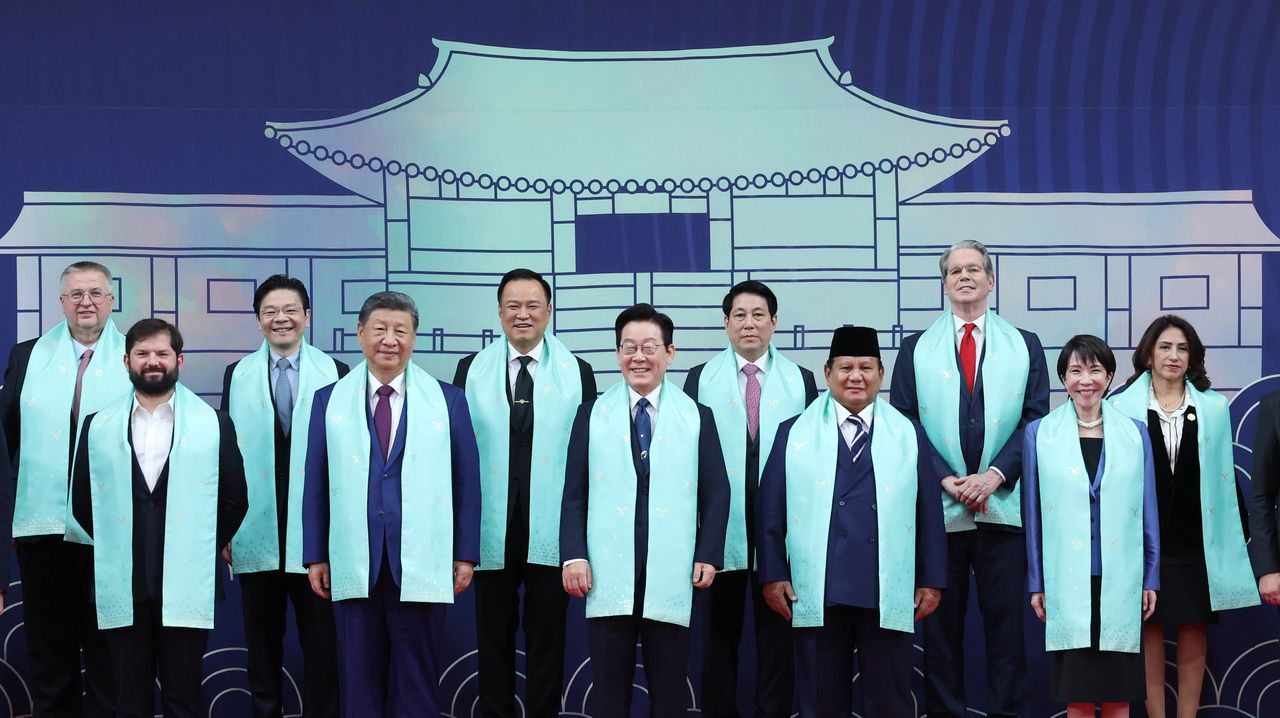 South Korea closed out its APEC year by hosting the Asia-Pacific Economic Cooperation summit in Gyeongju, North Gyeongsang Province, from Oct. 31 to Nov. 1, bringing leaders and senior officials from all 21 member economies to the historic city.
The gathering capped a yearlong schedule of APEC meetings under the theme “Building a Sustainable Tomorrow: Connect, Innovate, Prosper.”
The summit culminated in the Economic Leaders’ Meeting and the release of the Gyeongju Declaration, which reaffirmed shared commitments to regional economic cooperation, supply chain stability and innovation-led growth at a time of growing global uncertainty.
President Lee Jae Myung oversaw discussions shaped by shifting geopolitical conditions, including US-China tensions, as member economies sought common ground on issues such as emerging technologies and inclusive integration.
Hosting APEC for the second time, Korea placed Gyeongju on the diplomatic map while reinforcing its function as a facilitator within the Asia-Pacific Economic Cooperation framework.
Hacking, fire expose data risks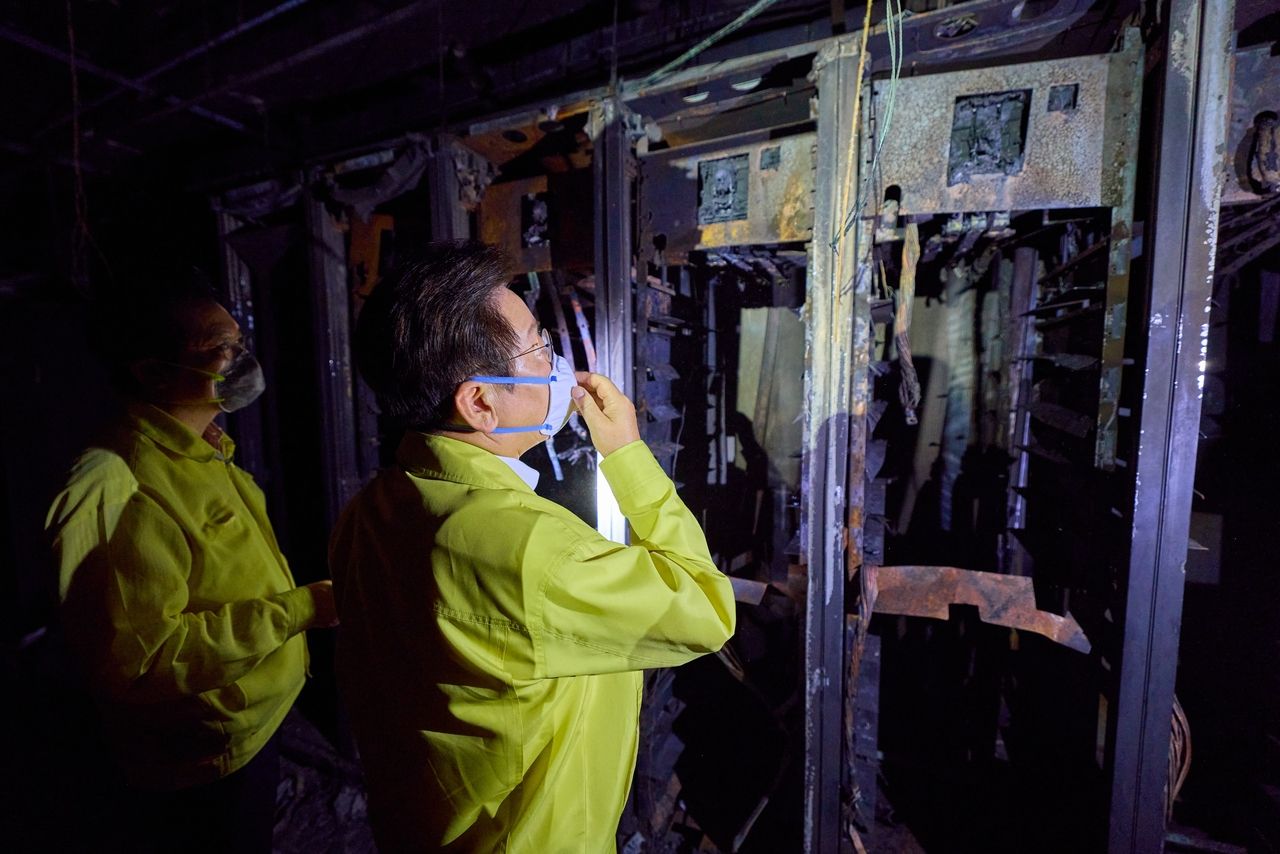 A series of large-scale data breaches in 2025 heightened public concern over cybersecurity in South Korea.
All three major telecom carriers in South Korea were affected by hacking-related incidents. In April, SK Telecom reported a large-scale breach involving the USIM data of some 23 million subscribers. Hundreds of KT Corp. subscribers were hit with unauthorized micropayments in September after the company’s servers were compromised in a hacking attack. Concerns deepened in November when Coupang revealed that the personal data of 33.7 million users had been leaked by a former employee.
The year also exposed vulnerabilities beyond cyberattacks. A battery fire at the National Information Resources Management Service in Daejeon in September forced hundreds of South Korea’s online public services and systems offline, underscoring the importance of physical data protection alongside digital security.
Cambodia crime rings jolt S. Korea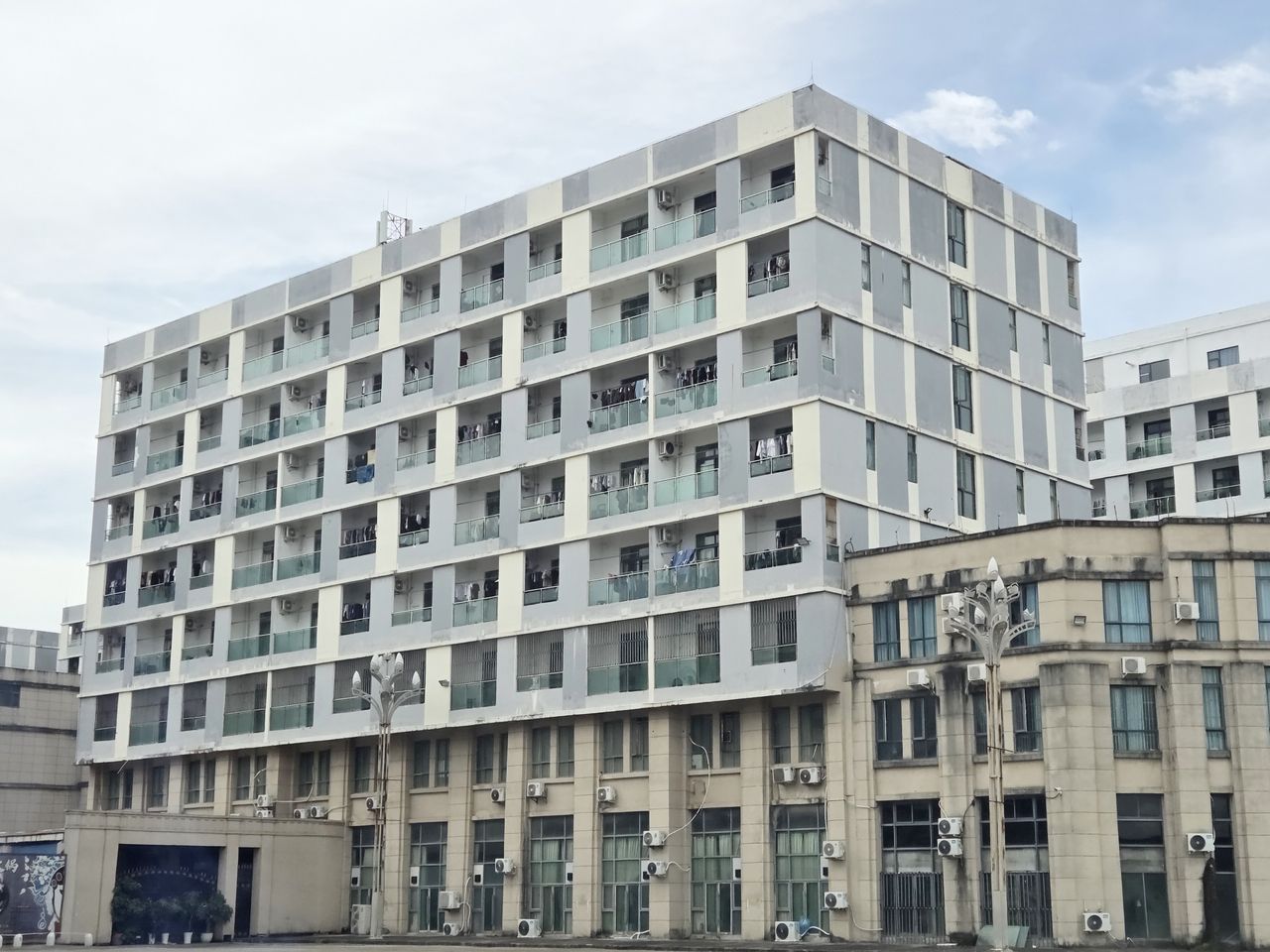 The gruesome torture and killing in August of a South Korean college student lured to a scam center in Cambodia sparked a nationwide backlash here, prompting strong calls for action against transnational crime networks operating in Southeast Asia.
Criminal groups, particularly those based in Cambodian crime hubs, targeted young Koreans through online job ads and social media, promising high-paying work in areas such as cryptocurrency and online marketing, often with free lodging. Upon arrival, victims were allegedly locked up and assaulted and, in some cases, killed, while being forced to carry out phishing and other criminal schemes targeting fellow Koreans.
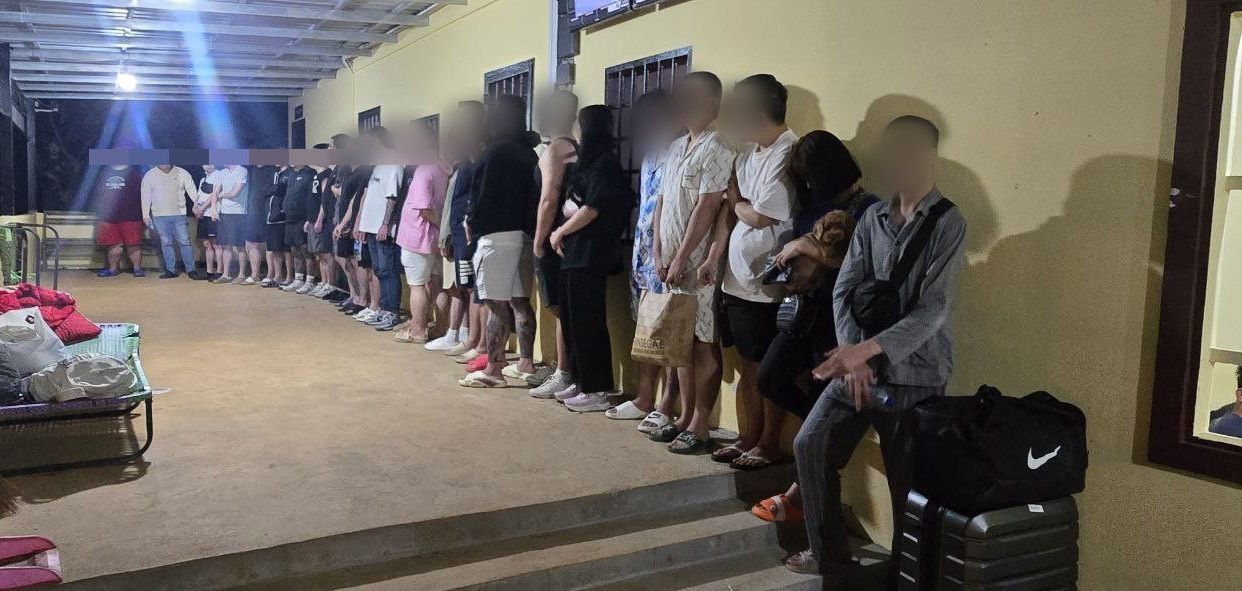 The cases shocked the public and intensified scrutiny of overseas scam operations. In response, South Korean police launched a dedicated task force in Cambodia and stepped up cooperation with local authorities. In December alone, police conducted three joint raids, arresting 92 Korean suspects on fraud charges and rescuing two people who had been held captive.
Korean productions redefine global hits In 2025, Korean creative productions moved beyond export status to become equal players in global cultural exchange. Nowhere was this more visible than on Broadway, where “Maybe Happy Ending” — a Korean original that began in a small Seoul theater in 2014 — won six Tony Awards, including best musical. Its success marked a turning point, signaling the growing sophistication and international competitiveness of Korea’s musical theater scene. The show’s return to Korea for its 10th anniversary further underscored its lasting impact at home and abroad.
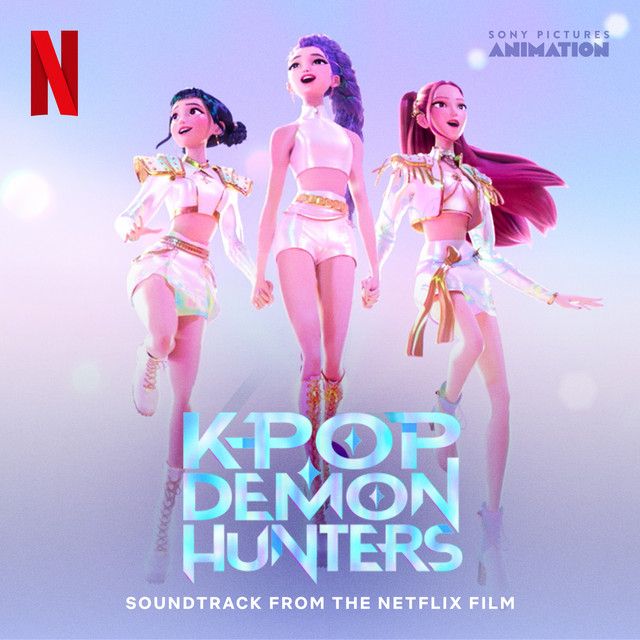 Korean storytelling also dominated global streaming platforms. The soundtrack for Netflix’s animated hit “KPop Demon Hunters” became one of the year’s biggest surprises, ranking second on Spotify’s global year-end album chart and outperforming major Western artists. Powered by narrative-driven music and cross-platform exposure, the project expanded K-pop’s reach beyond traditional fandoms.
Kospi crosses 4,000 milestone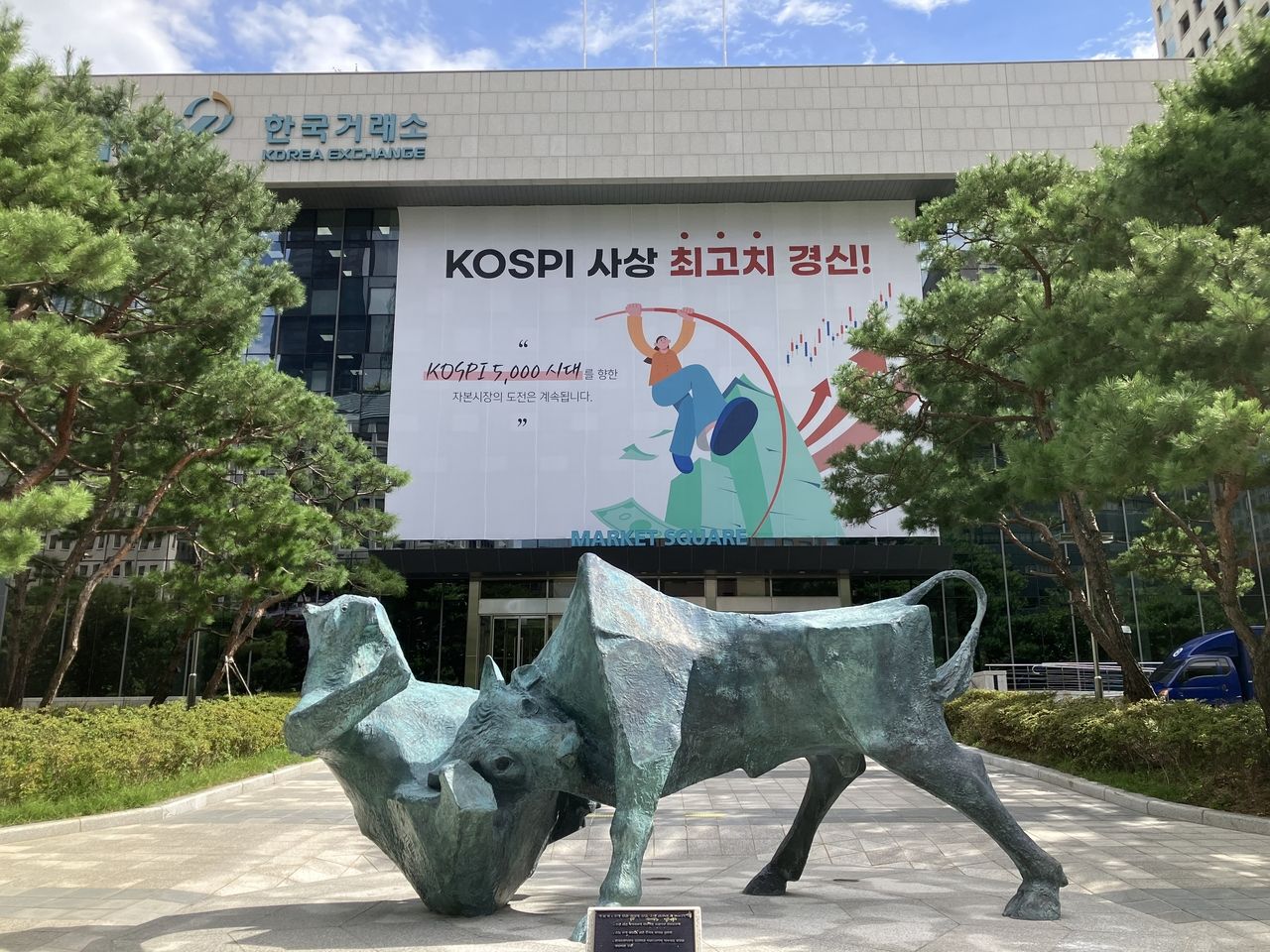 South Korea’s benchmark Kospi entered uncharted territory on Oct. 27, when it crossed the 4,000-point mark for the first time.
The index began the year on a weak footing, closing at 2,389.94 on Jan. 2, as political uncertainty weighed heavily on sentiment. Markets that had been on a six month slide entered a period of volatile uncertainty caused by the short-lived declaration of martial law, a subsequent presidential impeachment and later the United States’ announcement of “reciprocal” tariff measures, limiting risk appetite in the first half.
Momentum shifted in April, when Yoon’s impeachment was upheld, which restored political clarity and helped revive investor confidence. Backed by government-led initiatives to strengthen shareholder returns and revitalize the equity market, the Kospi staged a sharp rally, peaking at 4,221.87 on Nov. 3.
The surge was driven in part by a rebound in semiconductors amid the global artificial intelligence boom. Foreign investors also played a key role, net buying about 20 trillion won of Kospi shares from June to October.
Tariff deal clinched, nuclear green light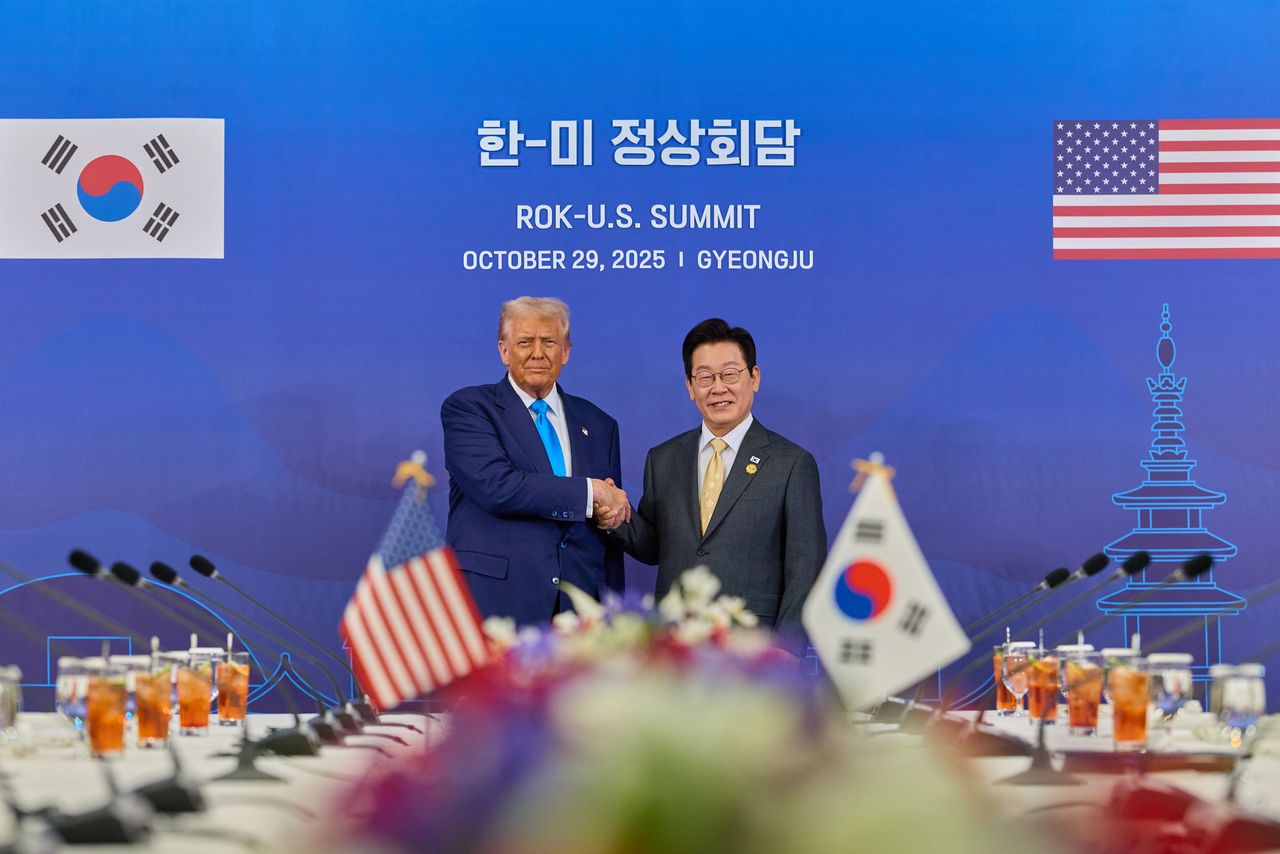 After months of intensive negotiations and high-stakes summits, South Korea and the US concluded a sweeping trade and security agreement, finalized on the sidelines of the Asia-Pacific Economic Cooperation summit in October.
The deal eased the trade uncertainty that had weighed on the export-dependent country, with Seoul committing to $350 billion worth of investments in US industries, in exchange for reduced tariffs on Korean exports — including automobiles — from 25 percent down to 15 percent.
On the strategic front, another major outcome was Washington clearing Seoul to build nuclear-powered attack submarines and allowing it to pursue civilian uranium enrichment and spent fuel reprocessing for peaceful purposes — activities previously restricted under strict nonproliferation rules. The terms were subsequently formalized in a joint fact sheet released by the two countries in November, with follow-up talks now underway to implement the agreement.
US raid on Hyundai Georgia plant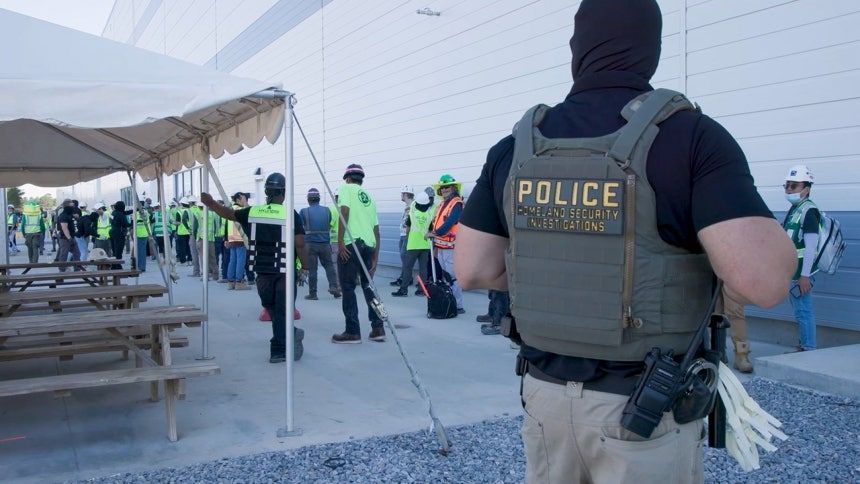 A large-scale US immigration raid at the Georgia construction site of Hyundai Motor Group and LG Energy Solution’s joint battery venture sent shockwaves through the Korean industry.
On Sept. 4, US officials detained 475 workers for “unlawful employment practices” in what was the largest single-site immigration enforcement action in US history, including 317 Korean nationals involved in engineering and equipment installation work. While all but one of the Korean detainees were later released and returned home, the incident heightened concerns over visa compliance for Korean firms expanding manufacturing operations in the US.
The case underscored growing scrutiny of short-term business and work visas, which Korean firms have increasingly relied on as approvals for E-2 visas have sharply declined. Construction at the $4.3 billion battery plant has since resumed, though the project timeline has been pushed back by several months into next year.







Most Commented