
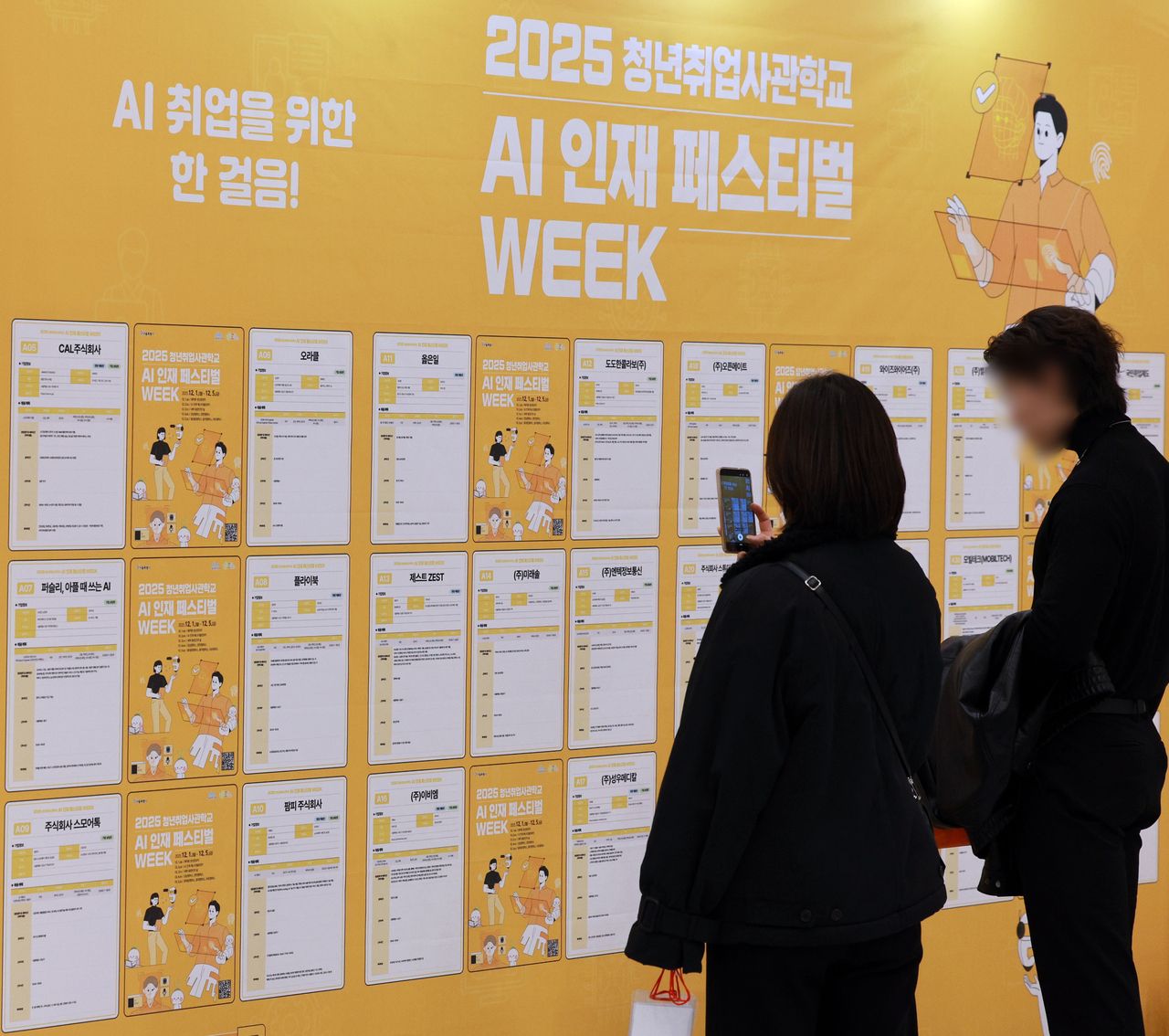
 In response to a worsening youth job market, the Seoul Metropolitan Government is overhauling its employment policy to push career-building and work experience into the university years.
The shift comes as young Koreans face a prolonged transition from school to work.
According to the Ministry of Employment and Labor, the number of employment insurance subscribers aged 29 and under fell by 92,000 year on year in November, a 4 percent decline.
Major youth employment sectors including manufacturing, information and communications technology, and wholesale and retail all posted simultaneous drops, raising concerns about shrinking entry-level opportunities.
International comparisons highlight the structural nature of the problem. In South Korea, university graduates take an average of 11.5 months to secure their first job after graduation, nearly twice the OECD average of about six months.
Seoul officials said the delay reflects a lack of practical work experience during university, leaving many graduates underprepared for immediate entry into the workforce.
In response, the city is shifting away from post-graduation, welfare-oriented job support toward early, growth-focused investment beginning at the student stage. At the center of the new approach is “Seoul Young Carience,” a flagship initiative under the city’s third youth policy master plan for 2026–2030.
The program’s name combines “young,” “career” and “experience,” underscoring its emphasis on hands-on learning and career design during university.
Seoul plans to invest 15.6 billion won ($10.6 million) next year to launch the program, providing more than 10,000 young people with work-experience opportunities over the next five years. Participation will begin with 6,000 youths next year and expand to 16,000 annually by 2030.
Unlike earlier policies that largely targeted unemployed graduates, the third youth policy plan is built around a five-stage system designed to shorten the transition into the workforce by investing early in skills and growth potential.
The first stage, “Camp,” targets first- and second-year university students as well as non-college youth. Participants receive AI-based aptitude assessments, career coaching and mentoring from industry professionals to help identify suitable career paths before formal job preparation begins.
The second stage, “Challenge,” focuses on building portfolios through hands-on projects. Second- and third-year students select companies and project themes aligned with their interests and work on solving real-world problems, gaining experience that can be directly applied to job applications.
The third and fourth stages, “Internship I” and “Internship II,” place students directly into corporate workplaces. Internship II operates as a field-work semester system, allowing students to earn up to 18 academic credits while gaining on-site experience.
The final stage, “Jump Up,” targets graduates who remain unemployed. It consolidates existing programs such as the Youth Employment Academy and the Future Youth Jobs initiative, offering training and work experience in high-demand fields, including artificial intelligence, digital transformation, startups and large corporations.
The city said it has secured a cooperation network involving about 3,500 companies, 13 public institutions and 31 universities.
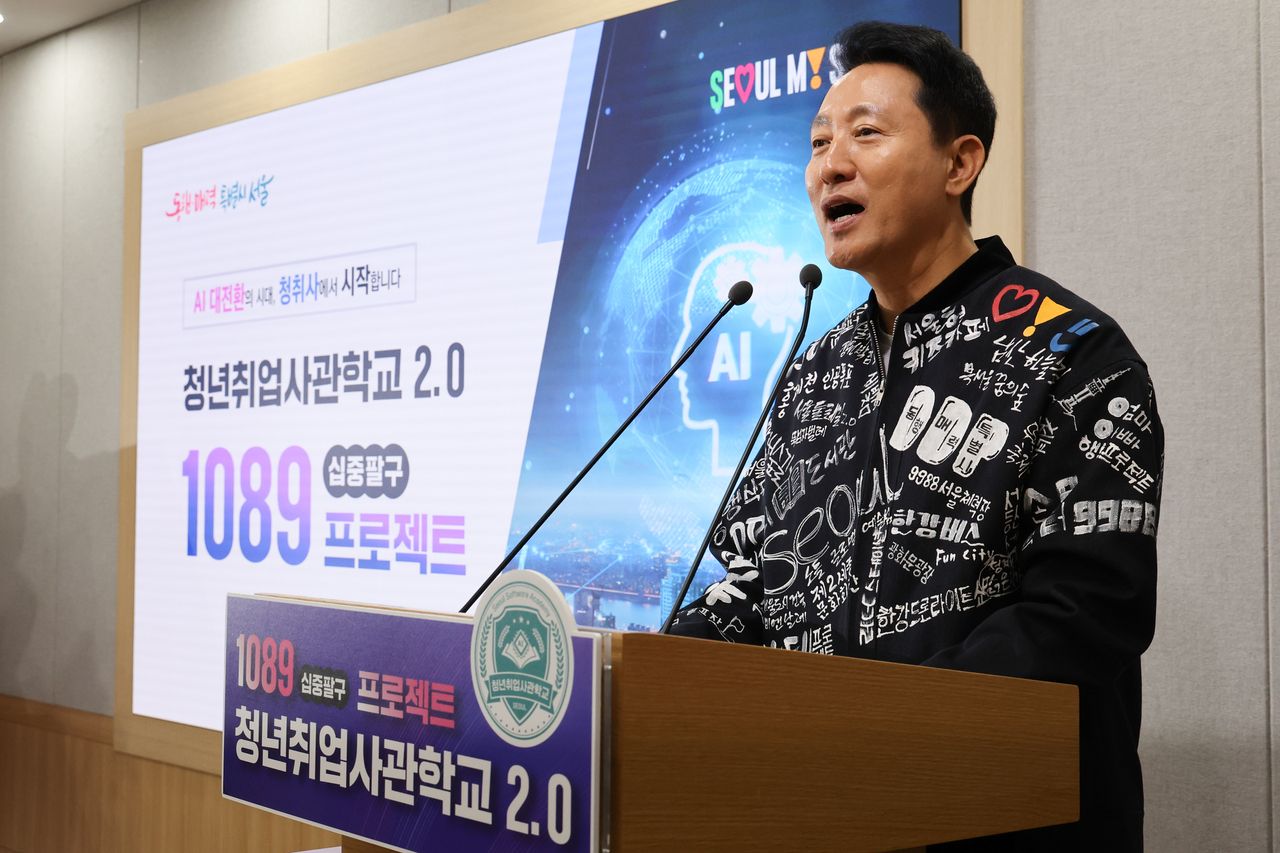 Mayor Oh Se-hoon said the new system is designed to close what he called the “transition gap” between education and employment.
“Young people may gain diverse experiences at university, but what they need most before graduation is hands-on experience in real corporate settings,” Oh said. “By allowing students to explore jobs and build experience in advance, we can significantly shorten the transition period.”
City officials said the broader youth policy overhaul reflects a fundamental shift toward positioning young people as drivers of future growth, with the goal of transforming Seoul into an integrated ecosystem where education, industry and employment are more closely connected.








Most Commented