
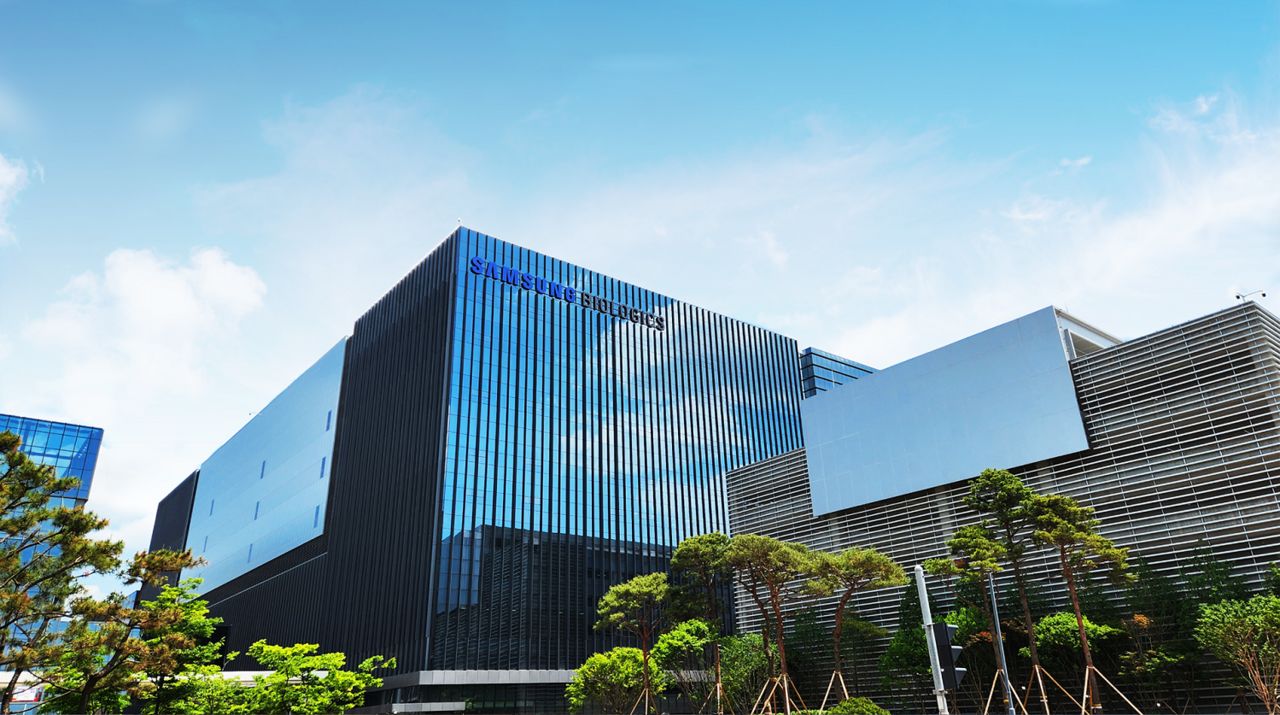
 Samsung Biologics said Monday it has inked a $280 million agreement to acquire GSK’s biopharmaceutical manufacturing plant in Rockville, Maryland, securing the Korean contract development and manufacturing organization leader its first production site in the United States.
According to Samsung Biologics, its wholly owned US subsidiary Samsung Biologics America will acquire 100 percent of Human Genome Sciences. The purchase includes two Current Good Manufacturing Practice, or cGMP, manufacturing plants with a total drug substance capacity of 60,000 liters to bolster the CDMO giant’s production capability.
“This landmark acquisition is a testament to our unwavering commitment to advancing global healthcare and bolstering our manufacturing capabilities in the US,” said Samsung Biologics CEO John Rim in a statement.
“The investment will enable us to deepen our collaboration with federal, state and local stakeholders to best serve our customers and partners while ensuring a reliable and stable supply of life-saving therapeutics.”
Samsung Biologics said it plans further investments to expand the newly acquired site’s capacity and upgrade technology to support a more resilient US supply chain for biologics medicines.
Under the agreement, the company expects to complete the takeover by the end of the first quarter next year. It will also retain more than 500 employees at the site to ensure operational continuity and stability.
“This marks an important step forward in our mission to achieve a better life through biomedicines,” said Rim.
“We look forward to building on the legacy of this facility as we welcome experienced colleagues to the Samsung Biologics family and continue delivering innovative solutions that make a meaningful impact.”
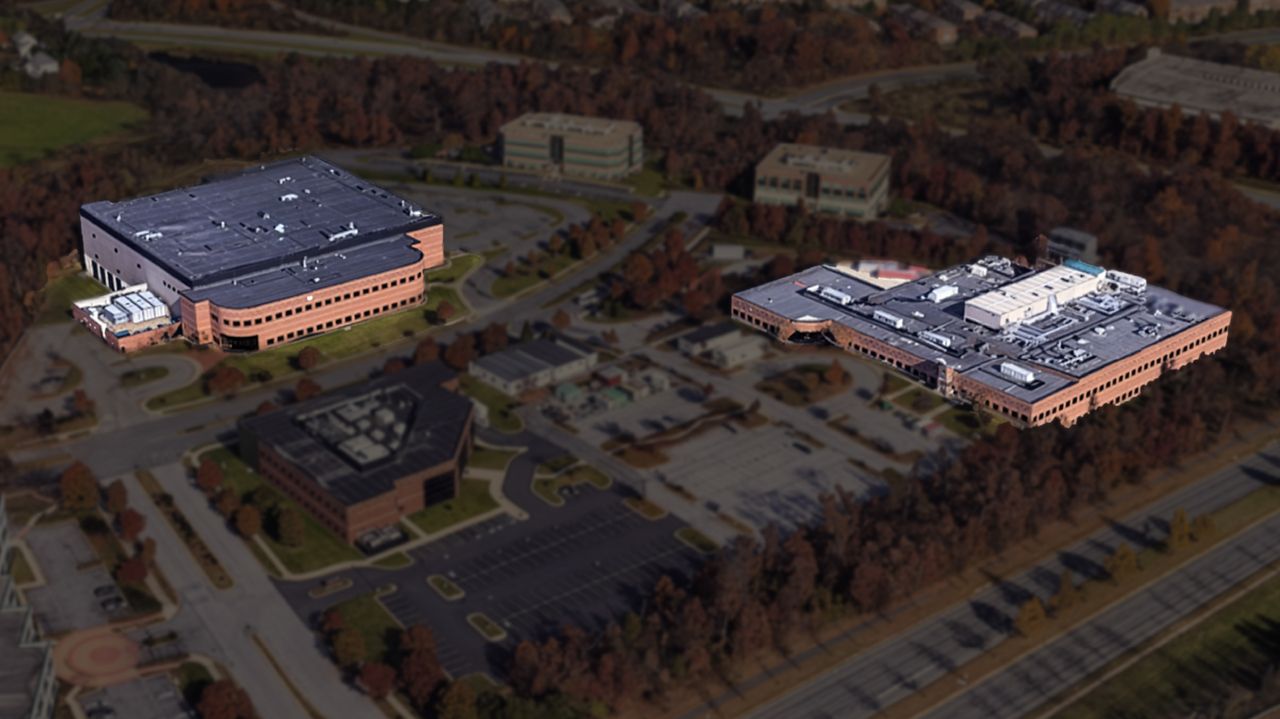 Samsung Biologics added that it would provide clients with flexible, multisite options in both Korea and the US by integrating the Rockville site into its global network. On top of the CDMO firm’s current 785,000-liter capacity, the US site is expected to diversify Samsung Biologics’ supply chain options and meet client demands.
As the Rockville plant will continue to manufacture its already secured orders and products, Samsung Biologics’ accumulated backlog orders hit 6.8 trillion won ($4.6 billion) so far this year, surpassing 2024’s figure of 5.4 trillion won.
Samsung Biologics’ first American production facility in its 14-year history came after the US Congress passed the Biosecure Act on Wednesday. The Biosecure Act, which has now become part of the National Defense Authorization Act, prohibits the US agencies from contracting with biotechnology companies of concern.
The US Office of Management and Budget has yet to publish its initial list of biotechnology companies of concern. However, industry watchers are forecasting Chinese companies, such as Wuxi Biologics and Wuxi AppTec, to be included in the list, as last year’s initial version of the Biosecure Act explicitly named them in the legislation.
In turn, Samsung Biologics is expected to benefit further from the heightened guard against Chinese rivals with the acquisition of the GSK site.
“We expect some (contract research organizations) and CDMOs based in China will be included on the list of companies of concern,” said Akin, an international law firm with offices throughout the US, Europe, Asia and the Middle East, in an article.
“As competitors in China are added to the list, expect to see growth in non-China CROs and CDMOs and increased demand for existing CROs and CDMOs outside of China.”
Seo Keun-hee, an analyst at Samsung Securities, noted in a report that Samsung Biologics’ deal with GSK will help the former to score new orders from global pharmaceutical leaders that prefer US production, adding that the acquisition will serve as a key driving force to relieve geopolitical risks and strengthen competitiveness.
- Long-delayed destroyer project shifts to competitive bidding
- Korea cuts E-9 visa quota to 80,000 for 2026
- ARKO Selection begins 18th year, continues its role as platform for new works
- Jennie unveils hangul veil at MMA 2025, spotlighting Korean aesthetics through Le Je
- Closing out K-pop 2025: Stray Kids dominate, girl groups soar








Most Commented